Some of the best Bookstagrammers stick with a central theme. Many of them use props to enhance these themes, while others develop styles unique to their brand. Bookstagram accounts post book reviews and host book giveaway contests, too!
Bookstagram is great for authors looking to build a following and connect with readers and other writers. It’s also an enjoyable use of social media for avid book lovers who wants to connect with others of like minds, showcase what they’re currently reading, or highlight bookish nooks and corners of their homes.
Here are some tips for how to participate in Bookstagram, and how to use the platform.
Find a Unique Selling Point (USP)
Promotion
The primary objective is to build hype about your book and show people what you have to offer, without giving away all the secrets you wrote in your new book. You can do this by…
The post Bookstagram for Authors and Book Lovers appeared first on Literary Ladies Guide.
]]>Some of the best Bookstagrammers stick with a central theme. Many of them use props to enhance these themes, while others develop styles unique to their brand. Bookstagram accounts post book reviews and host book giveaway contests, too!
Bookstagram is great for authors looking to build a following and connect with readers and other writers. It’s also an enjoyable use of social media for avid book lovers who wants to connect with others of like minds, showcase what they’re currently reading, or highlight bookish nooks and corners of their homes.
Here are some tips for how to participate in Bookstagram, and how to use the platform.
The primary objective is to build hype about your book and show people what you have to offer, without giving away all the secrets you wrote in your new book. You can do this by…
. . . . . . . . . .
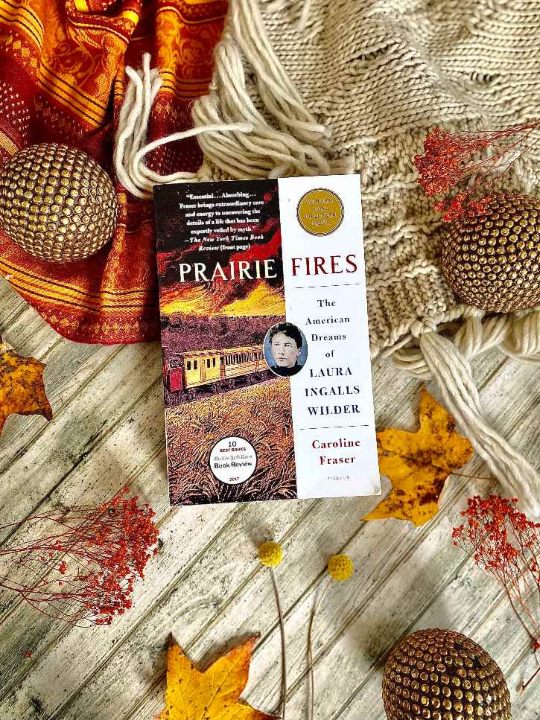
Photo by Anna Fiore
. . . . . . . . . .
Social media giveaways are very easy to set up. It’s as simple as making a post on Instagram, Facebook, Twitter or YouTube — and then using an app to harvest the comments and pick a winner (there are even multi-network apps that allow you to collect comments from several different social network sites).
The purpose of a giveaway is to get more attention and encourage sales from people who aren’t lucky enough to win a copy of your book for free. You can also use giveaways to learn more about your audience. For example, you’ll get a ton of statistics from the giveaway about which social networks are most active, what time your followers are online, and so on.
. . . . . . . . . .
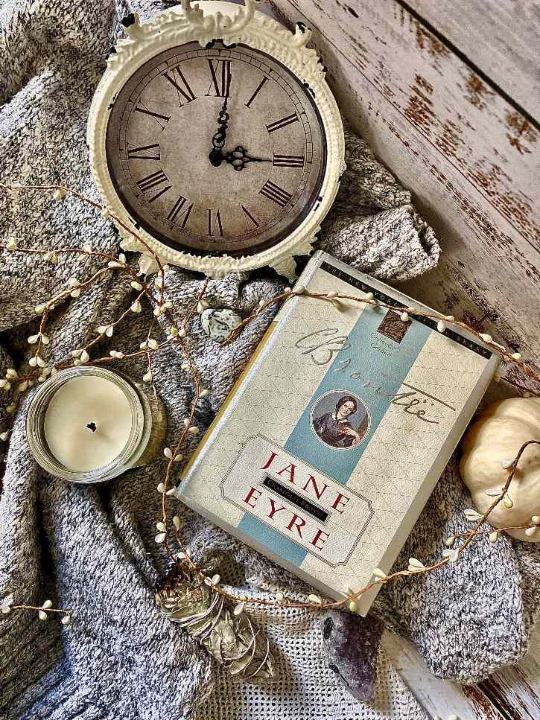
Photo by Anna Fiore
. . . . . . . . . .
Aim to begin your social media activity early on with the intention of creating a community that will turn into potential book buyers. You can build your community by engaging with your followers by asking questions, responding to comments, running polls, and trying to like your followers’ posts. Posting a few times a week is okay for posts, but you should try to keep your Instagram stories active by posting daily.
You should also aim to create a unique, specific hashtag for your book and encourage your audience to use your hashtag. Over time, that hashtag will become a landing page for users to view everything that is relevant to your book.
Sharing user-generated content (UGC), also shows that you value the dedication of your followers. UGC is otherwise known as content your followers create and tag you in that can be reposted to your own profile. Sharing any kind of UGC will help persuade your potential readers to purchase your book and also encourage them to share their reviews, giving your book more exposure.
. . . . . . . . . . .
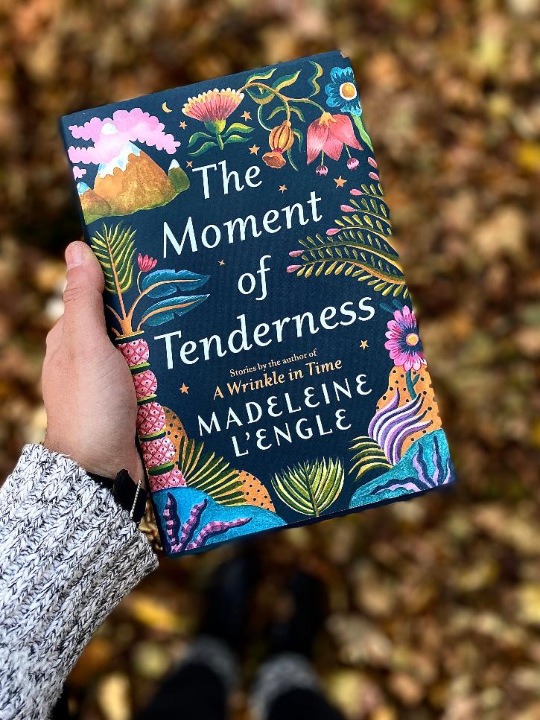
Photo by Anna Fiore
. . . . . . . . . . .
If you want to take your Instagram strategy one step further, try tying your posts and Instagram Stories together. Instagram stories are a great tool for cross-promoting content.
Prior to your book launch, you can share multiple variants of your book cover and request your followers to vote on their favorite. You can do this by using the polling feature in your Instagram stories.
You can also encourage readers to preorder your book with an Instagram story promoting your preorder link. Authors are always asking you to preorder their book titles, and it is because preorders inform booksellers about what new books people are interested in.
It is worth mentioning that it is crucial to connect with fellow bookstagrammers and gift them a copy of your book, especially if they have a large following. This is because by sharing your book with them, you are essentially garnering free reviews (which are a tremendous help with sales), and they are also indirectly promoting your book at the same time.
Contributed by Anna Fiore: Anna is a 2021 graduate of SUNY-New Paltz, majoring in Communications, with a concentration in Public Relations and a minor in journalism.
More information and sources
See more resources for writers on this site.
The post Bookstagram for Authors and Book Lovers appeared first on Literary Ladies Guide.
]]>You might notice that many people post content that is awfully similar. These are known as “trends” or challenges, and they can ultimately help widen your page reach.
TikTok started out as a platform mainly used by teenagers, but it has quickly expanded its reach to incorporate influencers, much as Instagram does. The amount of sway TikTok can have, especially for promoting fiction, caught the industry by surprise, as described in the New York Times article, “How TikTok Became a Bestseller Machine.”
Businesses have jumped on the bandwagon to use TikTok as a marketing tool, so it was just a matter of time before BookTok emerged as a marketing tool for publishers. In other cases, young book lovers have become BookTok influencers as an outgrowth of their passion for books and all things bookish, rather than by design.
Here are a few tips for how the book community can use BookTok:
The TikTok Algorithm
Users consume videos through their “For You” pages, which is an algorithmically programmed feed that delivers content to users based on what they have engaged with in the past. Once a user begins viewing and engaging with a specific type of content, there is a snowball effect in which that user is served more of that type of content.
The most effective TikTok strategy is no different from other social media platforms:
The post How to Use BookTok: A Guide for Authors and Publishers appeared first on Literary Ladies Guide.
]]>You might notice that many people post content that is awfully similar. These are known as “trends” or challenges, and they can ultimately help widen your page reach.
TikTok started out as a platform mainly used by teenagers, but it has quickly expanded its reach to incorporate influencers, much as Instagram does. The amount of sway TikTok can have, especially for promoting fiction, caught the industry by surprise, as described in the New York Times article, “How TikTok Became a Bestseller Machine.”
Businesses have jumped on the bandwagon to use TikTok as a marketing tool, so it was just a matter of time before BookTok emerged as a marketing tool for publishers. In other cases, young book lovers have become BookTok influencers as an outgrowth of their passion for books and all things bookish, rather than by design.
Here are a few tips for how the book community can use BookTok:
Users consume videos through their “For You” pages, which is an algorithmically programmed feed that delivers content to users based on what they have engaged with in the past. Once a user begins viewing and engaging with a specific type of content, there is a snowball effect in which that user is served more of that type of content.
The most effective TikTok strategy is no different from other social media platforms:
There is a lot of conflicting information online on the most effective strategy for using hashtags on TikTok. We have found that the best thing to do is to use a combination hashtag strategy.
Meaning, use 4-6 hashtags that represent your brand (#authorsoftiktok, #writertok, etc.) and then add 4-6 hashtags that fit the content of the video. You can also use trending hashtags if you are copying a trend or a challenge.
. . . . . . . . . .
Photo Courtesy of Caleb Woods: Unsplash.com
. . . . . . . . . .
Make sure to mix up your content so that you’re not only self-promoting your book. It would be useful to share other tips and tricks for writers as well as book recommendations. Your followers will get turned off if all you do is self-promote.

The number one factor that will help you boost your page reach is trending sounds. If you see a sound that has over ten thousand videos under it, use it. You can even put it over a video in the background of you talking and it will still boost your views.
Once you spend some time on TikTok for a while, you’ll start to notice that many people post videos that are similar—similar sounds and similar themes. These are known as “trends” or challenges. Look for ways you might be able to take advantage of TikTok trends and hashtag challenges to promote your new book.
Keep in mind however, that TikTok allows 15-second videos. This means that you only have 15 seconds to grab your audience’s attention and persuade them to buy your book.
Contributed by Anna Fiore: Anna is a 2021 graduate of SUNY-New Paltz, majoring in Communications, with a concentration in Public Relations and a minor in journalism.
More information and sources
See more resources for writers on this site.
The post How to Use BookTok: A Guide for Authors and Publishers appeared first on Literary Ladies Guide.
]]>Dudes just bring a different energy to the room, and sometimes we just need to be in a setting where our voices are sure to be heard, where we feel supported and valued.
There are lots of benefits to attending writer’s conferences, not the least of which is networking. You’ll meet writers in all stages of their careers; learn to pitch yourself and your work efficiently, hone your skills, get constructive critiques, and more. It’s a rare attendee that doesn’t leave a conference feeling energized and inspired.
Many conferences offer a direct route to meeting agents and editors, as well. This listing of women’s writing conferences and retreats in the U.S. is by no means exhaustive, so if you know of any others we should list, please contact us. We’re planning a listing of global women’s writing conferences, so please check back!
And please note, these conferences change from time to time, so make sure that any listing that appeals to you is up to date, and let us know if you find any that are now defunct, have changed venues, etc.
. . . . . . . . . .

. . . . . . . . . .
Anne LaBastille Women’s Writing Weekend
When: July of each year
Where: Adirondacks, New York State
Learn more: ALWWW
From the website: “Join a group of like-minded women for a reading and writing retreat. Read More→
The post Women’s Writing Conferences and Retreats in the U.S. appeared first on Literary Ladies Guide.
]]>Dudes just bring a different energy to the room, and sometimes we just need to be in a setting where our voices are sure to be heard, where we feel supported and valued.
There are lots of benefits to attending writer’s conferences, not the least of which is networking. You’ll meet writers in all stages of their careers; learn to pitch yourself and your work efficiently, hone your skills, get constructive critiques, and more. It’s a rare attendee that doesn’t leave a conference feeling energized and inspired.
Many conferences offer a direct route to meeting agents and editors, as well. This listing of women’s writing conferences and retreats in the U.S. is by no means exhaustive, so if you know of any others we should list, please contact us. We’re planning a listing of global women’s writing conferences, so please check back!
And please note, these conferences change from time to time, so make sure that any listing that appeals to you is up to date, and let us know if you find any that are now defunct, have changed venues, etc.
. . . . . . . . . .
. . . . . . . . . .
Anne LaBastille Women’s Writing Weekend
When: July of each year
Where: Adirondacks, New York State
Learn more: ALWWW
From the website: “Join a group of like-minded women for a reading and writing retreat. Activities will include writing workshops, reflective paddling, arts-based activities, technical writing and experiential learning, and Adirondack-based readings to contemplate the role of sense of place in nature writing.”
. . . . . . . . . .
BinderCon: The Conference & Community For Women And Gender Variant Writers
When: Last one held in 2017; subscribe at site below for updates
Where: New York City and Los Angeles
Learn more: BinderCon
From the website: “BinderCon is a writing conference and community for women and gender variant writers. Born out of a community of over 37,000 writers, our conference is a uniquely powerful, supportive, and career-changing event.”
. . . . . . . . . .
C.D. Wright Women Writers Conference
When: November of each year
Where: University of Central Arkansas in Conway
Learn more: C.D. Wright Women Writers Conference
From the website: “The mission of the C.D. Wright Women Writers Conference is to recognize, promote, and encourage women-identifying writers with special emphasis given to writing inspired by or written in the south.”
. . . . . . . . . .
Festival of Women Writers at Hobart Book Village
When: Early September of each year
Where: Hobart, New York
Learn more: Festival of Women Writers
From the website: “Since its inception, the Festival has created space for established and emerging women writers to share their insights and skills through a variety of writing activities and public readings with audiences throughout Delaware County, the state of New York, and beyond.”
. . . . . . . . . .
The Fiction Writer’s Journey
When: October of each year
Where: Bar Harbor, Maine
Learn more: The Fiction Writer’s Journey
Emily Hanlon’s writing retreat for women is an annual event that’s been happening for more than twenty years in beautiful Bar Harbor, Maine, adjacent to Acadia National Park.
From the website: “Women who write fiction share aspects of their creative life that need community to flower. In my Writing and Creativity Retreats, this community is embodied by our Circle. Whether we’re writing, sharing, critiquing, playing with our creativity, feasting on meals, experiencing the awe-inspiring landscape of our surroundings, listening to open readings, or chatting with new friends, you’ll find the freedom and inspiration that such a community brings.”
Hedgebrook Women Playwrights Festival
When: June of each year
Where: Langley & Seattle, WA
Learn more: WPF
From the website: “Hedgebrook offers a variety of opportunities for writers to hone their craft. For over twenty years, the Hedgebrook Women Playwrights Festival has proudly supported the creation and development of hundreds of new theatrical works by some of the most exciting playwrights of our time—who have gone on to become Pulitzer Prize, Tony, Obie, Emmy and Golden Globe award winners, as well as McArthur Genius Fellows.”
. . . . . . . . . .
International Women’s Writing Guild Summer Conference
When: July of each year
Where: Allentown, PA
Learn more: IWWG Summer Conference
From the website: “Over two dozen workshops ranging from three to six days in length and spanning fiction, poetry, memoir, creative nonfiction, screenwriting, playwriting, writing as performance, social justice, multi-genre, and mixed media.”
. . . . . . . . . .
Jennifer Louden Retreats and Writing Intensives
When: Several times throughout the year
Where: Taos, NM, Mexico, and other locations
Learn more: Jennifer Louden Retreats and Writing Intensives
From the website: “The retreats I create are among the best on the planet. Wow, that’s a bold claim. Okay, I can’t know that for a fact, but what I do know is hundreds of women over the course of 20+ years have told me, ‘I have been to so many retreats and yours are the best.’”
. . . . . . . . . .
Kentucky Women’s Writers Conference
When: September of each year
Where: Lexington, KY
Learn more: Kentucky Women’s Writers Conference
From the website: “Kentucky Women Writers is the longest running literary festival of women in the nation, launched by UK in 1979 to showcase the talents and issues unique to female writers.”
. . . . . . . . . .
Literary Women
When: March of each year
Where: Long Beach, CA
Learn more: Literary Women
From the website: “The committee that organizes the Festival is comprised of twenty-five volunteers. They believe in the continuing need to provide the Long Beach community with a cultural forum which reflects its diversity of literary interests. As succeeding generations of women continue to support the event, it is apparent the intentions of the original committee were well-founded and continue to be relevant today.”
. . . . . . . . . .
Story Circle Network: For Women with Stories to Tell
When: July of each year
Where: Austin, TX
Learn more: SCN
From the website:“Stories from the Heart IX will bring women from around the country to celebrate our stories and our lives. Through writing, reading, listening, and sharing, we will discover how personal narrative is a healing art, how we can gather our memories, how we can tell our stories. We welcome readers, writers, storytellers, and any woman with a past, present, and future.”
. . . . . . . . . .
Women Fiction Writer’s Annual Retreat
When: September of each year
Where: Albuquerque
Learn More: WFWA Retreat
From the website: “The WFWA Retreat is a craft and networking event. It’s an opportunity to talk about women’s fiction – both the writing and marketing aspects – with like-minded writers in a relaxed atmosphere.”
. . . . . . . . . .
Women Reading Aloud
When: April of each year
Where: Sea Girt, NJ
Learn more: WomenReadingAloud.org
From the website: “WOMEN READING ALOUD will host its 9th Writer’s Weekend Retreat in NJ devoted to women writers who are looking for time to write in a nurturing environment … Begin the day with a walk on the beach. Discover your authentic voice through writing workshops modeled after the Amherst Writers and Artists Method. This method allows writers to flourish at every stage of the creative journey.”
. . . . . . . . . .
Women Writing the West
When: October of each year
Where: Walla Walla, WA
Learn more: WWTW
From the website: “In 2018, Women Writing the West head to the Pacific Northwest for the 24th Annual Conference.” The conference covers many areas of the craft of writing, for women who use the American West as inspiration.
. . . . . . . . . .
Workshop for Women Writers of Color
When: November of each year
Where: Pendle Hill, Wallingford, PA
Learn more: Workshop for Women Writers of Color
From the website: “Welcome women of color writers! We can often find it a lonely and daunting experience as we seek to make our contributions in fields dominated by white men, whether in academia or other genres of fiction or non-fiction. Let us come together as women of color to share our writing work in progress, celebrate our diverse voices, confront our common barriers, and build a sisterly community of support for the challenges ahead.”
. . . . . . . . . .
Young Women Writers Workshop
When: April of each year
Where: Colorado Springs, CO
Learn more: YWWW
From the website: “As a young woman between the ages of 18 and 30-ish, you’re a unique kind of writer. Your needs and aspirations are different from those of writers who are either of a different generation or are, well, male. You aspire to write about the issues and challenges that face your contemporaries, your world. That means finding forms and structures that are different from what has come before. If that resonates, this retreat is for you.”
. . . . . . . . . .
Young Women’s Writing Workshop
When: July of each year
Where: Smith College, MA
Learn more: YWWW
From the website: “With so few writing programs that cater exclusively to high school girls, Smith’s Young Women’s Writing Workshop allows you to explore your writing in a creative and supportive environment that fosters your love of writing in a variety of mediums.”
. . . . . . . . . .
If you’re looking for something a little more of a writing vacation, you might enjoy perusing this list of international retreats — some specifically for women.
And finally, there’s the AWP Conference, which is for writers of all genders, but we list it here because it’s kind of the grand dame of writers conferences — four jam-packed days of readings, workshops, and panels. Probably an amazing networking event. As their site says, “Everyone should go to AWP at least once.”
When: Spring; usually March or April
Where: Location changes each year
Learn more: AWP Conference
From the website: “The Association of Writers and Writing Programs (AWP) is one of the largest and most popular writing conferences in the world. With more than 15,000 annual participants and 800 exhibitors, it’s more than a conference or book fair – it’s an event. AWP is an essential experience for writers, students, teachers and academics alike.”
The post Women’s Writing Conferences and Retreats in the U.S. appeared first on Literary Ladies Guide.
]]>But things have changed since the days when the Brontë sisters were rejected by many of London’s top publishers, and even well into the twentieth century, when an agent just wasn’t a necessity.
The big publishers have consolidated and the mid-sized and smaller ones have proliferated. There’s more opportunity, but the competition is much stiffer. Everyone and their cousin wants to be an author. If you’re a writer determined to go the traditional publishing route, agents can be extremely helpful, and sometimes completely necessary, to achieve that goal. Here we’ll explore how to find a literary agent.
If you’re determined to go the traditional publishing route and aiming for a mid-size to large publisher, your best route is with an agent. While many smaller publishers do accept direct submissions from authors (and we’ll get to that ahead), many of the larger ones simply won’t look at unagented submissions.
While agents come in all stripes, having a good agent is a blessing. They do more than just submit your work, or at least, a good one should, including:
The post How to Find a Literary Agent: A Writer’s Guide appeared first on Literary Ladies Guide.
]]>But things have changed since the days when the Brontë sisters were rejected by many of London’s top publishers, and even well into the twentieth century, when an agent just wasn’t a necessity.
The big publishers have consolidated and the mid-sized and smaller ones have proliferated. There’s more opportunity, but the competition is much stiffer. Everyone and their cousin wants to be an author. If you’re a writer determined to go the traditional publishing route, agents can be extremely helpful, and sometimes completely necessary, to achieve that goal. Here we’ll explore how to find a literary agent.
If you’re determined to go the traditional publishing route and aiming for a mid-size to large publisher, your best route is with an agent. While many smaller publishers do accept direct submissions from authors (and we’ll get to that ahead), many of the larger ones simply won’t look at unagented submissions.
While agents come in all stripes, having a good agent is a blessing. They do more than just submit your work, or at least, a good one should, including:
This can’t be overstated. Agents generally take 15% of what an author makes, from the advance and potential royalties. That figure usually goes up to 20% for international sales, because they have to split the fee with a co-agents. This commission-only model makes them quite motivated to make deals, because they don’t see a penny otherwise. If an agent asks for an up-front fee (sometimes couched as a “reading fee”), keep looking.
You don’t need an agent if you wish to submit your fiction or nonfiction to small independent or university presses (though they usually welcome agented submission as well).
If you’re looking to produce a book of poetry, don’t look for an agent, since it just wouldn’t be cost-effective for the time spent; collections of short stories are a tough sell unless they’re by an already-established author, so if that’s your genre, you might want to start by approaching small and university presses on your own.
Children’s books can go either way — smaller and independent presses might look at submissions that come directly from the author (or author-illustrator), but if you’re aiming for the larger publishers, an agent is still the way to go.
Any really reputable agent, whether he or she is solo or part of a larger literary agency, will have a web site. And these web sites should have guidelines for submission. They’re all a bit different. Some will want a query only at first; others will ask for a query plus a chapter or two or three. The point is to look at the submissions guidelines and follow them closely. It’s a bit of a pain to do each submission a bit differently, but if you don’t follow the guidelines, it doesn’t bode well for you.
These days, agents are more specialized than ever. There are agents that deal just with certain kinds of fiction or only with Young Adult novels. Others only represent weighty nonfiction (like history and politics) or culinary subjects. There are agents that represent children’s picture books. The point is to research the agent you’re approaching carefully so that you aren’t wasting your time and theirs when you submit.
Literary Marketplace: While it’s still possible to search this tome in the reference section of libraries that have it on the shelves (that would be larger and university libraries), you can become a subscriber to research online.
Guide to Literary Agents (Writer’s Digest): This annual guide is a trusted resource that you might find in your library system, or purchase online.
The post How to Find a Literary Agent: A Writer’s Guide appeared first on Literary Ladies Guide.
]]>